



Embracing a Growth Mindset
Successful leaders understand that a growth mindset is essential for their development and the progress of their teams. They believe that abilities and intelligence can be enhanced through dedication, hard work, and resilience. This belief fosters a love for learning, paving the way for continuous improvement and adaptation to changing circumstances. By embracing a growth mindset, leaders position themselves as lifelong learners, which enhances their ability to innovate and inspire others.
A critical aspect of a growth mindset is the proactive approach leaders take in facing challenges. Rather than avoiding difficulties, successful leaders view obstacles as opportunities for growth. This perspective encourages them to engage with problems directly and to seek out solutions collaboratively. When challenges arise, these leaders do not shy away from them; instead, they actively look to understand the underlying issues, demonstrating a commitment to both their own development and that of their team.
Furthermore, soliciting feedback is a fundamental component in the growth process. Effective leaders regularly seek input from their colleagues and subordinates, using this feedback as a valuable resource for self-improvement. They are open to constructive criticism, recognizing that insights from diverse perspectives can lead to more effective strategies and solutions. By fostering an environment where feedback is welcomed, leaders not only enhance their own growth but also create a culture that encourages team members to learn from one another.
Finally, the willingness to learn from failures distinguishes successful leaders. Instead of viewing setbacks as a reflection of their abilities, they analyze what went wrong and extract lessons from these experiences. This reflective practice not only aids in personal growth but also builds resilience, equipping leaders with the skills necessary to overcome future hurdles. Collectively, these practices foster a dynamic organizational culture rooted in learning and adaptability, setting the stage for sustainable success.
Building Strong Relationships and Trust

- KEEPS DRINKS HOT OR COLD: This Legendary Stanley Camping Mug is compatible with one-cup coffee makers. The double-wall v…
- SUSTAINABLE COFFEE MUG: At Stanley, we promote sustainability by reducing single-use disposables and using recycled mate…
- EASY SIPPING: This travel mug is designed with the press-fit Tritan lid made for easy-sipping, so you don’t need to sacr…

- Man United Metal Water Bottles – Rep your love for Manchester United FC with this insulated water bottle with straw. Fin…
- Large 850ml Capacity – With a generous 850ml/30oz capacity, this drinking bottle reduces refills throughout the day, mak…
- Long-Lasting Temperature Control – This coffee travel mug keeps liquids cold for up to 12 hours and hot for up to 8 hour…

- KEEPS DRINKS HOT FOR 6 HOURS: This leakproof coffee mug keeps drinks hot for 6 hours and cold for 8. Its lightweight dou…
- SUSTAINABLE TRAVEL CUP: At Stanley, we create a more sustainable world through invention and originality. Committed to e…
- SPILL PROOF DRINK-THROUGH LID: This lid lets you carry your coffee cup travel mug in your bag without spills. Push the l…
Successful leadership is inherently linked to the ability to build strong relationships and foster trust. In many organizations, the atmosphere cultivated by a leader significantly impacts team dynamics and overall productivity. Leaders who prioritize relationship-building often create environments that encourage open communication and collaboration, essential components of a thriving workplace.
One of the core elements of building relationships is effective communication. Successful leaders engage in open dialogues with their teams, ensuring everyone feels heard and valued. This form of communication not only clarifies expectations but also facilitates a two-way exchange of ideas. When team members believe their voices matter, it strengthens their commitment and encourages them to contribute more actively to achieving organizational goals.
Active listening is another vital skill for leaders aiming to foster trust. By attentively listening to their team members, leaders demonstrate respect for their insights and experiences. Active listening allows leaders to gain a deeper understanding of their team’s strengths, concerns, and aspirations, thus empowering them to make informed decisions that resonate well with their workforce. Furthermore, leaders who practice this skill tend to build more personal connections with their teams, contributing to a positive culture of collaboration.
Empathy also plays a crucial role in relationship-building. When leaders exhibit genuine concern for their employees’ wellbeing and personal challenges, it cultivates a trusting environment. Employees are more likely to approach their leaders with issues or suggestions if they feel supported and understood. This empathetic leadership not only strengthens individual relationships but also enhances team cohesion, as employees are more inclined to cooperate and assist one another.
In conclusion, the foundation of successful leadership lies in the ability to forge and maintain strong relationships based on trust. By focusing on open communication, active listening, and empathy, leaders can create an environment where collaboration and productivity thrive, ultimately driving the organization toward success.
Setting Clear Goals and Priorities
Effective leadership involves the continuous practice of setting clear and achievable goals, an essential component that drives success within any organization. Strong leaders understand that well-defined goals not only establish direction but also motivate their teams towards desired outcomes. The first step in this process is to adopt the SMART criteria for goal setting, which emphasizes that goals should be Specific, Measurable, Achievable, Relevant, and Time-bound. By applying these principles, leaders can ensure that their objectives are realistic and aligned with the overall vision of the organization.
Moreover, prioritization plays a crucial role in effective leadership. Leaders often face a myriad of tasks requiring their attention, and distinguishing between what is urgent and important becomes necessary. Techniques such as the Eisenhower Matrix help leaders categorize tasks based on their time sensitivity and importance, allowing them to focus on strategic initiatives that drive the organization forward. By prioritizing effectively, leaders can allocate their time and resources to tasks that yield the highest impact, fostering a culture of productivity among their teams.
Furthermore, fostering alignment among team members is essential for the successful execution of goals. Leaders can achieve this by implementing regular check-ins and performance reviews, which help ensure that everyone is on the same page regarding objectives and priorities. Transparent communication is fundamental; leaders should encourage feedback and discussions to keep all team members engaged and motivated. This alignment not only enhances accountability but also promotes teamwork, empowering individuals to contribute meaningfully towards collective goals.
Practicing Self-Reflection and Mindfulness
Successful leaders understand that self-reflection and mindfulness are essential components of effective leadership. By regularly evaluating their actions and decisions, they cultivate a deeper understanding of themselves and their impact on others. This practice not only enhances their personal growth but also improves their decision-making capabilities. Leaders who engage in self-reflection take the time to assess their performance, contemplating what went well and what could have been done differently. This process helps them to learn from successes and failures alike, allowing them to make informed adjustments in future initiatives.
Mindfulness, on the other hand, involves being fully present in the moment, which is crucial in today’s fast-paced and often chaotic business environment. Leaders who adopt mindfulness techniques are better equipped to handle stress and remain composed under pressure. Through practices such as meditation, deep breathing, or even mindful walking, these individuals can achieve a state of calm that fosters clarity in their thought processes. Consequently, they are able to respond to challenges with a level-headed perspective, rather than reacting impulsively.
Moreover, successful leaders recognize the importance of staying grounded amidst the pressures of their roles. By implementing regular self-reflection sessions and mindfulness exercises into their daily routines, they cultivate resilience. This resilience allows them to navigate not only their duties but also the complexities of the human emotions and dynamics they encounter within their teams. A mindful leader is more likely to foster a positive work environment, encouraging openness and collaboration among team members.
Incorporating these habits into daily practice has proven beneficial for many leaders, not only enhancing their effectiveness but also promoting a culture of reflection and well-being within their organizations.

- 2 Set Travel Companion: Comes with a matching cosmetic pouch for makeup, toiletries, or small essentials. Everything sta…
- 20L Daily Size: 30 x 19 x 42cm, 20L capacity multiple pockets give you plenty of storage space and ensure your outdoors …
- Lightweight Travel Bag: Made from Taslon fabric, bagsmart duffle bag offers a unique, soft texture. Lightweight yet dura…
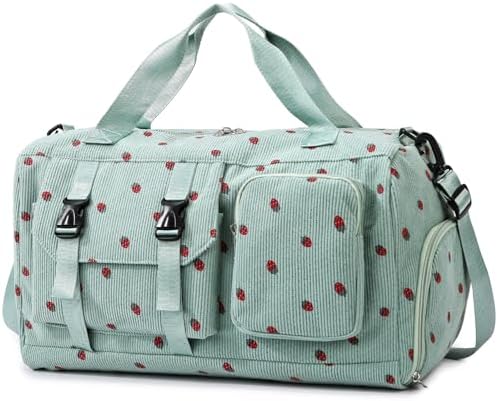
- 【Vibrant Sports Foldable Bag】 Stand out at school or the gym with this unique mint sports foldable bag. When not in use,…
- 【All-Scenario Travel Duffel Bag】 Whether it’s for a school club, PE lesson, or a Duke of Edinburgh expedition, this trav…
- 【Smart Shoe & Wet Pockets】 The independent shoe pocket is a lifesaver for muddy football boots or PE plimsolls, while th…
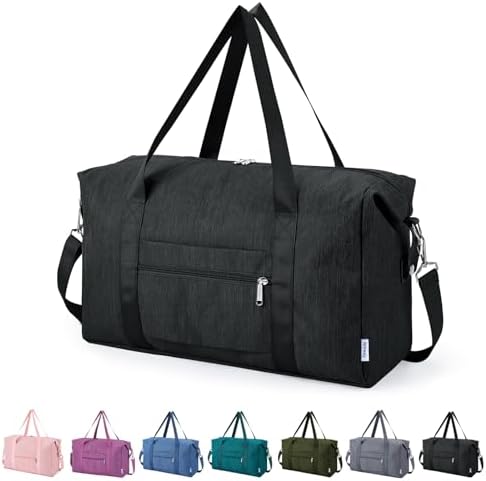
- Airline-friendly Cabin Bag – Bag size 44X30X19cm (Capacity 25L) fits underseat cabin bag 45x36x20cm of new Easyjet Airli…
- Upgrade Durable Fabric – Why Choose US? We upgrade to choose thick fabric similar to nylon, much more durable and thicke…
- Hold shape & Simple Design – Superior material and simple design with two mesh pockets inside, the bag can hold its shap…
RELATED POSTS
View all


Self-Awareness in Leadership: The Key to Better Decision-Making and Management
June 22, 2026 | by Lucy Wang'endo

The Best Leaders Don’t Create Followers; They Create More Leaders
July 1, 2026 | by Lucy Wang'endo