


Essential Self-Care Routines for Nurses Working Long Shifts
October 27, 2025 | by Lucy Wang'endo
Introduction to Self-Care for Nurses
In the demanding world of healthcare, nurses often encounter the challenges of working long shifts that can significantly impact their physical and emotional well-being. These conditions can be especially taxing for those specializing in areas such as theatre and liver transplant units, where the intensity and pressure of the job are heightened. The nature of nursing frequently requires a balance between compassionate patient care and personal health, showcasing the urgent need for effective self-care routines.
Self-care encompasses a variety of practices that individuals can adopt to promote their overall health and wellness. For nurses, prioritizing self-care is imperative not only to combat fatigue but also to maintain a high level of professional performance. Given that many nurses work long standing hours, it is crucial for them to develop personalized routines that facilitate recovery and rejuvenation after demanding shifts. This might include physical activities, mindful relaxation techniques, or engaging in hobbies that foster self-love and personal growth.
Furthermore, self-care serves as a preventive measure against burnout, especially in high-stress environments typical in specializations like transplantation theatre. By recognizing the signs of overrun energy levels and fatigue, nurses can implement strategies that help them recharge. Emphasizing health and wellness in daily routines fosters resilience and ensures that nurses are better equipped to provide exceptional care to their patients.
Ultimately, cultivating a culture of self-care among nurses is essential in reinforcing the importance of their well-being. By embracing dedicated self-care practices, nurses can navigate the rigors of long shifts while maintaining their mental and physical health, thus enhancing their quality of life and the care they deliver. This focus on self-care is not merely beneficial but foundational for sustainable caregiving in the healthcare landscape.
Understanding the Unique Demands of Nursing
Nursing is a profession characterized by unique physical, emotional, and psychological demands, particularly for those working prolonged hours in high-stress environments like operating rooms and transplant units. Nurses are frequently tasked with the care of critically ill patients, which requires not only technical skill but also a high level of emotional intelligence and resilience. Long shifts can exacerbate these demands, leading to considerable fatigue and increased stress levels. This often creates a requirement for robust self-care routines that promote recovery and well-being.
Physically, the job can be strenuous. Nurses are on their feet for extensive periods, frequently lifting or moving patients, which may lead to exhaustion and musculoskeletal issues. Moreover, the fast-paced nature of a theatre setting, particularly surrounding liver transplant procedures, places additional strain on the body. The combination of intensive physical activity during long shifts and limited opportunities for breaks necessitates the importance of self-care to support physical health and to counteract fatigue.
Emotionally, the responsibilities can be equally demanding. Nurses routinely encounter high-stress situations, including life-and-death scenarios, and must maintain composure to provide the best possible care. This emotional burden can contribute to burnout and compassion fatigue over time, making it essential for nurses to practice self-love and self-care strategies consciously. Engaging in regular self-care routines helps cultivate emotional resilience and manage stress effectively, promoting better mental health.
Ultimately, understanding the unique demands inherent in nursing is crucial for developing effective self-care strategies. By recognizing the physical, emotional, and psychological challenges faced during long standing shifts, nurses can better prepare themselves for the stresses of their role, safeguarding their health and ensuring longevity in their chosen profession.
Creating a Personalized Self-Care Plan
For nurses who frequently engage in long shifts, creating a personalized self-care plan is critical to maintaining physical and mental health. To successfully establish such a plan, the first step involves assessing individual needs. This process requires nurses to reflect on their current health status, stress levels, and areas needing improvement. Understanding both mental and physical stressors that arise from long-standing hours in a high-pressure theatre environment is key. Once needs are identified, nurses can more effectively address them through tailored activities.
Next, selecting self-care activities should prioritize relaxation and rejuvenation. Potential options vary widely; some nurses may benefit from engaging in gentle exercise, meditation, or even mindfulness practices during breaks. Others might find great relief in creative outlets such as painting or journaling. Importantly, these activities should not only serve as an escape but also as a way to nurture self-love and promote overall well-being. By integrating enjoyable activities that resonate with personal interests, nurses can develop routines that are sustainable and fulfilling.
Setting attainable goals is a fundamental aspect of a successful self-care plan. Given the demanding nature of nursing, particularly within the context of long shifts, goals must be realistic and easily integrated into daily life. For instance, a nurse may aim to dedicate 10 minutes each day to a relaxation technique or to ensure they hydrate adequately during their shift. Such small commitments can significantly impact their overall health, contributing to resilience against the fatigue and emotional toll of their profession. By consistently evaluating and adjusting the plan as necessary, nurses can ensure they maintain a balanced approach to self-care, even amid the challenges presented by their demanding schedules.
Mindfulness and Stress-Reduction Techniques
Nurses working long shifts in demanding environments often face heightened levels of stress that can adversely affect their well-being and patient care. Implementing mindfulness practices and stress-reduction techniques is essential for promoting health and enhancing focus during arduous hours in the theatre of healthcare. Mindfulness, in essence, entails being present in the moment, allowing individuals to acknowledge and accept their feelings without judgment.
One effective method for cultivating mindfulness is through meditation. Even a few minutes of meditation can encourage self-love and foster a sense of inner calm, which can be especially beneficial during long-standing shifts. For nurses, taking short breaks to engage in guided meditation can provide an opportunity to step back from the pressures of their responsibilities, thus preventing burnout. Various mobile applications offer guided sessions tailored for healthcare professionals, making it accessible even in overrun schedules.
In addition to meditation, deep breathing exercises serve as valuable tools for stress relief. These exercises can reduce tension and promote relaxation even in the middle of a hectic shift. For instance, the 4-7-8 breathing technique involves inhaling for four seconds, holding the breath for seven seconds, and exhaling for eight seconds. This practice not only helps to slow the heart rate but also aids in oxygenating the body, allowing nurses to maintain their focus during intense workload periods.
Another beneficial practice is progressive muscle relaxation, which requires individuals to systematically tense and then relax different muscle groups. This technique fosters a profound sense of physical and mental relaxation. As nurses manage their responsibilities, regularly engaging in these mindfulness practices can significantly enhance their self-care routines and overall health, ensuring continued dedication to their vital roles.
Physical Activity and Nutrition Strategies
For nurses engaged in long shifts within demanding environments such as the theatre, maintaining physical activity and proper nutrition is integral to ensuring optimal health and overall well-being. Long-standing hours can easily lead to fatigue and overrun energy levels, making it essential to prioritize fitness and dietary habits.
Incorporating exercise into a busy schedule may seem challenging; however, it is possible to find time for physical activity. Short bursts of exercise, such as brisk walking or stretching, can be seamlessly integrated into breaks. Simple activities like taking the stairs instead of the elevator or performing seated leg raises while on break can contribute to physical health. Additionally, engaging in 10 to 15 minutes of exercise before or after shifts can be highly beneficial. It is vital not only for nourishment of the body but also for loved ones in self care practices directed at physical and mental rejuvenation.
Nutrition plays an equally critical role. Nurses should consider packing nutritious snacks that can facilitate sustained energy and enhance focus during shifts. Options such as almonds, yogurt, fresh fruits, and whole-grain sandwiches are ideal for preventing blood sugar drops. Furthermore, it is advisable to choose wholesome meals that include a balance of proteins, carbohydrates, and healthy fats to support bodily functions and recovery. Pairing meals with adequate hydration is essential; water is crucial to maintaining energy levels and cognitive function throughout long operating hours. Regularly consuming water can help combat the fatigue and dehydration associated with extended work periods.
In conclusion, integrating physical activity and nutrition strategies into the self-care routine is paramount for nurses working long shifts. These practices not only support individual health but also enhance the ability to provide quality care to patients during challenging times.
Connecting with Peers and Building Support Networks
Nursing is inherently a demanding profession, often requiring long shifts that can lead to feelings of isolation and burnout. Connecting with peers and building robust support networks is vital for nurses to maintain their emotional health and develop resilience as they navigate the challenges of their role. Engaging with colleagues provides not only a sense of camaraderie but also opportunities to share experiences that can alleviate stress and create a supportive environment.
One effective method to cultivate these essential relationships is through regular communication with fellow nurses. This could take place during brief breaks, through team meetings, or informal gatherings. Nurses can discuss various experiences, from daily challenges to complex cases, fostering a collective understanding that can enhance teamwork. Additionally, utilizing mentorship opportunities—either as a mentor or mentee—can further strengthen professional bonds. These relationships offer a platform for guidance and encouragement, particularly beneficial for those who may feel overwhelmed by their responsibilities or are new to the field.
Moreover, participating in formal support groups can greatly contribute to a nurse’s sense of belonging. Many healthcare institutions and professional organizations offer groups that focus on shared experiences, coping mechanisms, and self-care strategies. These gatherings provide valuable insights into managing the emotional burdens associated with long-standing shifts and the high-pressure environment of the theatre of medicine. Sharing personal stories within a group setting can foster self-love and acceptance while also highlighting diverse strategies for self-care, ensuring that nurses do not navigate their journeys in solitude.
In essence, by prioritizing connections with peers and actively seeking support networks, nurses can enhance their emotional resilience, combat feelings of isolation, and cultivate a healthier work-life balance while managing the rigors of long shifts.
Establishing Boundaries and Time Management Skills
Nurses, often required to work long shifts, face significant challenges that can lead to burnout and overwhelm. Establishing boundaries is essential for maintaining both personal well-being and professional standards. Setting clear limits around workload helps to ensure that healthcare providers can deliver optimal patient care without sacrificing their own health. Achieving this balance demands a strategic approach to time management.
One effective strategy is to prioritize tasks according to urgency and importance. Utilizing tools such as to-do lists or digital planners can enhance visibility and organization, allowing nurses to focus on critical responsibilities first. By systematically assessing each task’s priority, a nurse can allocate time effectively while ensuring they meet essential care standards. This practice not only improves patient outcomes but also fosters an environment of self-care and self-love.
Delegation is another crucial skill for managing long-standing responsibilities without feeling overrun. Nurses should feel empowered to delegate tasks, when appropriate, to colleagues or support staff. This practice not only alleviates immediate pressure but also promotes teamwork, ensuring that everyone contributes to patient care. Learning to say no to excessive demands is equally important; by respectfully declining additional responsibilities that do not align with immediate priorities, nurses can protect their time and mental health.
Furthermore, recognizing the need for breaks during long shifts is vital. Incorporating brief pauses to recharge can enhance focus and efficiency, enabling nurses to perform at their best. Ultimately, by mastering boundaries and time management skills, nurses can navigate the challenges of their demanding profession while ensuring that both their health and patient care standards remain uncompromised.
Utilizing Technology for Self-Care
In today’s fast-paced healthcare environment, nurses often face the challenges of long shifts and high-stress situations. The rigorous demands of the profession can lead to burnout and compromise overall health, making self-care essential. Fortunately, technology provides numerous tools that can enhance personal well-being and promote effective health management, particularly for those deeply engaged in long-standing roles such as nursing.
Various apps and online resources have been developed specifically to aid healthcare professionals in maintaining mental health and minimizing stress. For instance, meditation and mindfulness applications can guide nurses through relaxation techniques that are valuable during brief breaks or after long shifts. Regular practice of mindfulness helps to anchor the mind and can significantly improve mental clarity and emotional resilience, fostering self-love and self-care in nurses.
Moreover, scheduling apps can assist nurses in organizing their rest periods effectively, ensuring that they integrate necessary downtime between lengthy shifts. By setting reminders for breaks, nurses can avoid the tendency to overrun their schedules and neglect their health, which is critical when balancing demanding workloads. These practical tools allow healthcare workers to prioritize their own well-being while maintaining their commitment to patient care.
Social networking platforms tailored to healthcare professionals can also create a sense of community. Nurses can share experiences, coping strategies, and tips for self-care, contributing to a supportive environment where self-care practices thrive. Additionally, telehealth services provide access to mental health professionals, offering nurses the opportunity to seek guidance and therapy without extensive travel, further emphasizing the importance of mental well-being amidst challenging working conditions.
Integrating such technological resources into daily routines not only enhances self-care but also empowers nurses to prioritize their health, ultimately leading to improved patient care in the theatre of medical practice.
Conclusion: Prioritizing Self-Care for Long-Term Health
In the demanding field of nursing, especially for those working long shifts in high-pressure environments such as the theatre or intensive care, prioritizing self-care is essential. Nurses often face the challenge of managing their own health while providing care for others, which can lead to burnout and long-standing health issues if self-care routines are neglected. Establishing effective self-care practices is not merely a personal benefit; it has significant implications for patient care and the overall workplace environment.
Consistent self-care routines can enhance a nurse’s physical health, mental well-being, and emotional resilience. Engaging in regular activities that promote self-love and mental health, such as mindfulness, exercise, and adequate rest, are vital for sustaining energy levels during long shifts. Nurses who invest time in their own health are not only better equipped to handle the demands of their roles but also demonstrate improved patient interactions, leading to a higher standard of care. When healthcare professionals prioritize their health, it fosters a culture of care among teams, resulting in improved morale and performance.
Furthermore, implementing systematic self-care strategies can aid in mitigating the risk of health complications that may arise from the stressors inherent in the nursing profession. This can include simple practices like staying hydrated, taking regular breaks, and ensuring balanced nutrition, which are essential to maintaining stamina and focus during shifts. As nurses become more mindful of their well-being, they create a ripple effect that can inspire colleagues and elevate the entire healthcare team’s capacity to provide care.
In conclusion, self-care is not a luxury, but a necessity for nurses handling the rigors of long shifts. By prioritizing their health, nurses can ensure their longevity in the profession, enhance patient care outcomes, and foster a supportive work environment conducive to collaboration and excellence. It is time for nurses to embrace self-care as an integral aspect of their career and life.
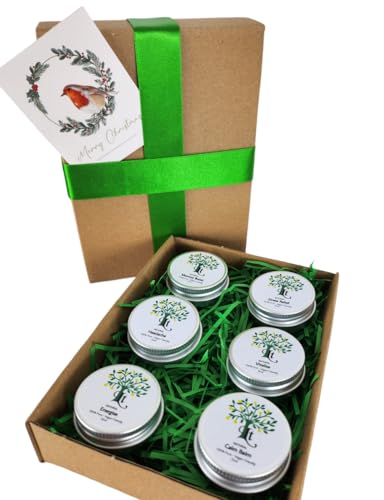
- Daily Dose Of Self Care And Wellbeing
- Relaxation And Peace Of Mind
- 100% Natural