


Understanding the Difference Between Experience and Growth
June 15, 2026 | by Lucy Wang'endo
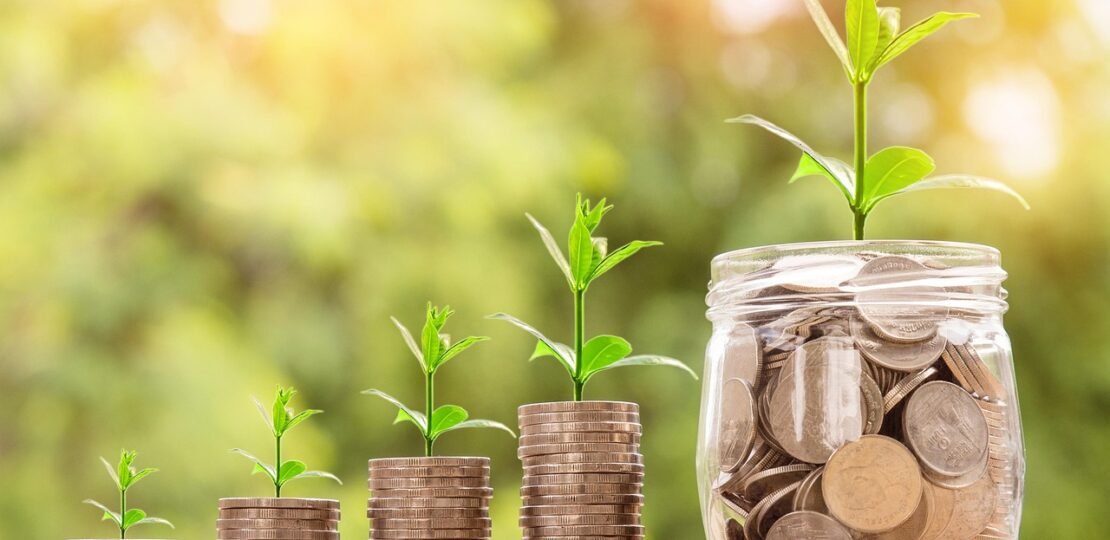
Defining Experience and Growth
Experience and growth are terms often employed interchangeably, yet they encapsulate distinct concepts that contribute uniquely to both personal and professional development. Understanding these differences is essential for individuals seeking to navigate their lives and careers more effectively.
Experience refers to the knowledge, skills, and insights gained through involvement in various activities or events over time. It encompasses a range of interactions, challenges, and situations that an individual encounters. For instance, a professional who spends several years working in a specific industry accumulates experience that informs their decision-making and enhances their competencies. Such experience is pertinent not only to the tasks at hand but also to interpersonal relationships within a workplace. The stages of a project, different team dynamics, and reactions to challenges all contribute to the growing repository of an individual’s experience.
On the other hand, growth relates to the developmental progress stemming from one’s experiences. It can be viewed as a transformation that occurs when individuals learn from their encounters, adapting and evolving as a result. Growth is often characterized by heightened awareness, improved emotional intelligence, and enhanced skills. For example, a person who has taken on challenging roles and sought feedback is likely to experience personal growth, impacting their confidence and future performance. This progression can also manifest as a shift in mindset, enabling individuals to approach problems with renewed perspectives.
In summation, while experience serves as the foundation from which individuals build their knowledge and skills, growth represents the transformation that occurs as a result of effectively utilizing that experience. Each plays an integral role in shaping a person’s journey in both their personal and professional lives.
How Experience Contributes to Growth
Experience plays a pivotal role in fostering growth, both personally and professionally. As individuals navigate through various life situations, they accumulate experiences that shape their skills, mindset, and understanding of the world. These experiences can be categorized into several types, including challenges, successes, and failures, each contributing uniquely to growth.
Challenges often present the most significant opportunities for growth. When faced with adversity, individuals are compelled to devise solutions, enhance their resilience, and develop problem-solving skills. Such challenges encourage a mindset of adaptability and perseverance, crucial traits for overcoming future obstacles. Additionally, the process of confronting and overcoming difficulties often reinforces the notion that growth arises from discomfort, encouraging individuals to seek more opportunities for development.
Successes, on the other hand, serve to reinforce positive behaviors and strategies. Achieving a goal or mastering a new skill not only boosts confidence but also provides a benchmark for future endeavors. Successes can validate previous efforts, illuminate effective methods, and instill a sense of purpose. Reflecting on these accomplishments allows individuals to break down the components that led to their success, thus enhancing their skill set moving forward.
Failures, while often viewed negatively, are equally important in the growth process. They provide critical lessons that guide individuals toward better decision-making in the future. Understanding what went wrong can foster a spirit of inquiry, leading to enhanced judgment and strategic thinking. It is through the reflection on both successes and failures that individuals can cultivate a deeper understanding of their capabilities and aspirations.
Moreover, the practice of reflecting on one’s experiences is essential in harnessing the potential for meaningful growth. By taking the time to analyze and learn from their experiences, individuals can identify patterns, gain insights, and make necessary adjustments in their approach to personal and professional challenges.
Recognizing Growth Beyond Experience
When discussing personal and professional development, it is critical to recognize that growth is not solely a product of experience. While traditional experience—gained through hands-on activities and interactions—provides valuable insights, many dimensions of growth can emerge independent of such encounters. This concept challenges the conventional belief that exposure is the only source of improvement and advancement.
One significant avenue for growth is mentorship, where individuals can prosper through the guidance of an experienced leader. Mentorship facilitates learning and personal development that transcends direct experience, as mentors can impart wisdom, offer alternative perspectives, and provide encouragement. Through discussions and advice, mentees gain insights that can stimulate their personal growth, despite any differences in their prior experiences.
Additionally, self-education plays a crucial role in personal development. Individuals can actively seek knowledge and refine their skills through various resources like books, online courses, and workshops. This method of acquiring information enables learning on a self-directed basis, allowing for growth dictated by a personal pace and interest. Such self-initiated endeavors foster a sense of ownership over one’s learning journey and can lead to significant personal insights that may not have occurred through traditional experiences.
Moreover, innate abilities and personal insights contribute profoundly to growth. For example, reflective practices, such as journaling or meditation, can encourage self-awareness, leading to breakthroughs in understanding one’s thoughts, emotions, and behaviors. By cultivating a mindset oriented towards growth, individuals can unlock new opportunities for learning and personal evolution, independent of their traditional experiences.
In light of these perspectives, it becomes clear that growth can manifest in diverse forms. Therefore, acknowledging that growth extends beyond conventional experience can empower individuals to seek alternative learning opportunities that may better support their unique journeys.
Practical Strategies for Leveraging Experience for Growth
To effectively leverage past experiences for personal and professional growth, individuals must adopt practical strategies that facilitate reflection, goal-setting, feedback-seeking, and continuous learning. Each of these components plays a crucial role in transforming experiences into valuable growth opportunities.
Firstly, reflecting on past experiences is essential for understanding their implications. Individuals can start by keeping a journal where they document significant events, decisions, and the outcomes of those events. This practice allows for deeper insights into how their reactions and choices have shaped their current path. By identifying patterns in their behavior, individuals can pinpoint areas for improvement and recognize their strengths.
Once reflection is accomplished, setting growth objectives becomes the next critical step. These objectives should be specific, measurable, achievable, relevant, and time-bound (SMART). By establishing clearly defined goals, individuals can create a roadmap for their personal and professional development that is grounded in their past experiences. This goal-oriented approach directs attention towards skills or areas that require further development.
Seeking feedback is another vital strategy for leveraging experience. Constructive feedback from peers, mentors, or supervisors can provide fresh perspectives on one’s performance and areas for growth. Engaging in regular feedback sessions creates an environment of open communication and facilitates the opportunity to learn from others’ viewpoints. This feedback loop is essential for personal refinement and professional adaptation.
Finally, embracing continuous learning is paramount. Individuals should actively seek knowledge from various sources, such as courses, webinars, or networking events. Understanding that learning does not end with formal education widens the scope for growth. By remaining curious and open-minded, individuals enhance their capacity to convert their varied experiences into substantive personal and professional growth.
In conclusion, by implementing these practical strategies—reflecting on past experiences, setting growth objectives, seeking constructive feedback, and fostering a culture of continuous learning—individuals can successfully leverage their experiences to drive significant growth and development.

- ENERGY-SAVING: Save up to 75% on your energy bill* (*testing and calculations based on recommended cook time for sausage…
- 2 INDEPENDENT COOKING ZONES: Cook 2 foods, 2 ways, both ready at the same time. Use different functions, times and temps…
- 6 COOKING FUNCTIONS: Max Crisp, Air Fry, Roast, Bake, Reheat, Dehydrate. Cook from frozen to crispy. Up to 75% less fat*…

- STACKED DRAWER DESIGN: Two independent 6.2L baskets provide a combined XXL 12.4L capacity for cooking meals for up to 10…
- SPACE-SAVING & QUIET: Vertical stacked drawer design minimises worktop footprint, freeing up space, runs at under 55dB, …
- MATCH & SYNC FUNCTIONS: Cook two different dishes simultaneously with independent time and temperature controls, or sync…

- ENERGY-SAVING: Save up to 65% on your energy bill* (*testing and calculations based on recommended cook time for sausage…
- 2 INDEPENDENT COOKING ZONES: Cook 2 foods, 2 ways, both ready at the same time. Use different functions, times and temps…
- 6 COOKING FUNCTIONS: Max Crisp, Air Fry, Roast, Bake, Reheat, Dehydrate. Cook from frozen to crispy. Up to 75% less fat*…

- 【150PCS Disposable Air Fryer Liner】The disposable liner for Ninja air fryers measures 21cmx13.5cmx4.5cm, effectively res…
- 【Maintain Air Fryer Hygiene】Crafted with non-perforated, high-edged design, the liner prevents grease splatter onto the …
- 【Premium Quality Material】: Our air fryer liners are manufactured from 100% food-grade pulp with a food-safe non-stick c…

- ✔ Healthy and Safe Material: Air fryer liner is made of environmentally friendly natural pulp, waterproof, oil resistant…
- ✔ Keep the Air Fryer Clean: 4.5cm high disposable baking paper liner prevents oil and food residues from remaining in th…
- ✔ Applicable Airfryer Types: Compatible with Ninja AF300UK 7.6L/AF400UK/AF400UKCP/AF451UK 9.5L/Double Stack XL SL400UK 9…

- NON-STICK & EASY TO CLEAN: Our disposable air fryer liners are made from premium food-grade parchment paper, ensuring yo…
- UNIVERSAL FIT FOR LEADING BRANDS: Specifically designed and Compatible with Ninja models AF300UK, AF400UK, AF400UKCP, SL…
- HEAT RESISTANT & WATERPROOF: These airfryer liners disposable are heat resistant up to 446°F (230°C). These baking paper…