


Navigating the Transition from Student to Registered Nurse: practical advice for new graduates navigating their first year
May 6, 2026 | by Lucy Wang'endo
Understanding the Role of a Registered Nurse
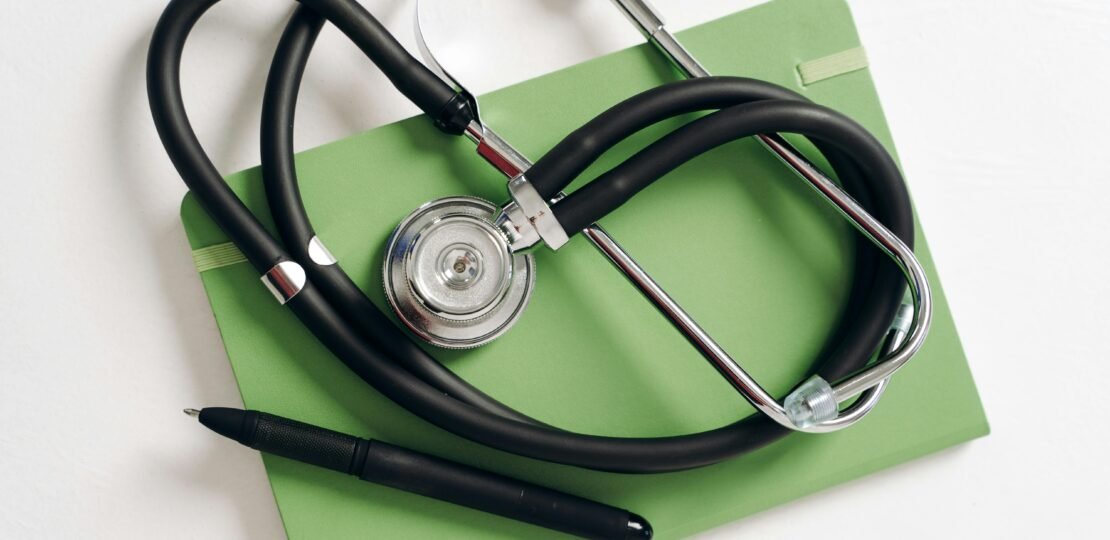
The role of a registered nurse (RN) is multifaceted, encompassing a broad spectrum of responsibilities that are essential to the healthcare system. Primarily, RNs are tasked with providing direct patient care, which includes observing patients, assessing their needs, and implementing care plans. This direct interaction is critical, as it enables nurses to monitor vital signs, manage medication administration, and ensure that patients receive appropriate therapeutic interventions.
In addition to patient care, registered nurses meticulously document all aspects of a patient’s treatment. Accurate documentation is not only vital for patient safety but also serves as a legal record and a means of communication among healthcare professionals. RNs must adeptly utilize electronic health records (EHRs), ensuring that all information about a patient’s condition, treatment, and progress is updated and accessible to the healthcare team.
Collaboration is another cornerstone of nursing practice. Registered nurses work alongside physicians, nurse practitioners, and other healthcare personnel to develop comprehensive care plans tailored to individual patient needs. This collaborative environment fosters a team-based approach to healthcare, wherein RNs provide valuable insights that contribute to optimal patient outcomes. Furthermore, RNs often take on the role of patient advocates, ensuring that patients’ rights and wishes are respected throughout their care journey. This advocacy is particularly critical in educating patients about their health conditions and empowering them to make informed decisions.
Understanding the scope of responsibilities as a registered nurse highlights the importance of this profession in the healthcare landscape. From direct patient care to documentation and collaboration, the role of an RN is both challenging and rewarding, offering opportunities to make significant differences in patients’ lives.
The Emotional Transition from Student to Professional
The transition from nursing student to registered nurse can be a momentous shift, marked by a range of emotional and psychological challenges. One of the most commonly experienced feelings during this period is imposter syndrome. Many newly graduated nurses may question their competencies and feel unworthy of their professional title. This phenomenon can create a sense of anxiety, leading to a debilitating fear of being exposed as a fraud. Recognizing that these feelings are part of a broader transitional process can help individuals manage this uncertainty.
Equally important is the management of stress and anxiety, which can be heightened during the early stages of a nursing career. The pressure to perform in high-stakes environments can overwhelm new graduates, potentially leading to burnout. Techniques such as mindfulness, deep breathing exercises, and regular physical activity are essential in cultivating emotional resilience. Additionally, developing a support network of peers, mentors, and other healthcare professionals provides a crucial outlet for navigating these early career hurdles.
Building confidence in newly acquired clinical skills often takes time and practice. Engaging in reflective practices, such as journaling about day-to-day experiences, allows emerging nurses to recognize their growth and acknowledge their achievements. Setting achievable objectives can facilitate incremental skill acquisition and foster a sense of professional identity. Workshops, peer discussions, and continuing education opportunities enrich this developmental journey and reinforce a sense of belonging within the nursing community.
Transitioning from student to registered nurse entails multifaceted emotional challenges. However, by actively addressing feelings of self-doubt, managing stress effectively, and fostering continued skill development, nursing graduates can cultivate a strong professional identity, ultimately enhancing their confidence and job satisfaction in this rewarding career path.
Gaining Clinical Experience: Opportunities and Challenges
Clinical experience is a fundamental aspect of nursing education and plays a crucial role in bridging the gap between theory and practice. Throughout nursing school, students have several avenues to gain this vital experience, including internships, externships, and volunteer positions. Each of these opportunities provides a unique platform for aspiring nurses to hone their skills, interact with patients, and collaborate with health care professionals.
Internships typically occur during the latter part of nursing programs and are designed to immerse students in a professional setting. By engaging in supervised clinical practice, students can apply their knowledge in real-world scenarios, thereby enhancing their competence and confidence. Similarly, externships, which may take place during a student’s breaks or as part of their curriculum, offer a more observational role where students can learn from seasoned nurses while gaining insight into the day-to-day responsibilities of a nurse.
Volunteer positions, while unpaid, can also significantly enrich a student’s clinical experience. By volunteering in hospitals, clinics, or community health organizations, students can expand their understanding of patient care, learn about various specialties, and establish valuable connections in the field. Such experiences not only bolster a resume but also provide an enriching perspective on the diverse roles nurses play in healthcare.
However, transitioning from a student role to a full-time nursing position often comes with its set of challenges. Newly graduated nurses may face a steep learning curve as they adjust to the rigorous demands of their jobs. Time management becomes critical, as managing shifts, ongoing education, and personal commitments can be daunting. Additionally, new nurses may need to navigate workplace dynamics and establish effective communication with colleagues, all while continuing to refine their clinical skills. Understanding these challenges and seeking support when needed can greatly aid in successfully managing this critical transition period.
Navigating Job Search and Networking
The transition from student to registered nurse is both exciting and daunting, particularly when it comes to searching for nursing jobs. An effective job search strategy begins with a well-crafted resume. This document should highlight your educational background, clinical experiences, and relevant skills. Tailoring your resume to each specific job listing enhances your chances of being noticed by hiring managers. Utilize action verbs and quantify your achievements when possible to showcase your qualifications clearly.
In addition to a strong resume, interview preparation is crucial. Familiarize yourself with common nursing interview questions and formulate thoughtful responses that reflect your knowledge and experiences. Practicing with peers, mentors, or through mock interviews can increase your confidence. Dress professionally and arrive early for interviews, as first impressions matter.
Job boards, such as Indeed, Glassdoor, and specific nursing-focused websites like Nurse.com, are valuable resources for finding job opportunities. Regularly check these platforms for new postings and consider setting up alerts for specific job titles or locations to streamline your search.
Networking, both online and offline, plays a significant role in the job search process for nurses. Engaging with fellow nursing students, faculty, and industry professionals on platforms like LinkedIn can improve your visibility in the nursing community. Join nursing associations and attend conferences or local events to connect with experienced nurses who may share job leads or offer mentorship.
Building relationships within the nursing community is crucial. Networking opens doors to job opportunities that are often not advertised publicly. Establish meaningful connections with your peers and seek opportunities to collaborate on projects or community initiatives. This proactive approach will not only increase your likelihood of securing a job but will also foster a sense of community that is invaluable for your professional growth.
Preparing for the NCLEX-RN Exam
The NCLEX-RN exam plays a critical role in the journey from nursing student to registered nurse. To effectively prepare for this examination, it is essential to develop a strategic study plan that covers the breadth of concepts tested. Depending on individual learning styles, resources such as review books, online courses, and practice questions can be instrumental in reinforcing knowledge.
Establishing a study schedule is vital for maximizing efficiency and minimizing stress. Many candidates allocate a period of four to six weeks for focused preparation. During this time, it is advantageous to dedicate several hours each day to study, with a mix of content review and practice questions. Utilizing tools like flashcards and study groups can enhance retention, ensuring that students grasp critical nursing concepts.
Common concerns about the NCLEX-RN include the fear of failure and uncertainty regarding the test format. It is important to acknowledge that many students share these apprehensions, which can be mitigated by understanding the exam structure. The NCLEX-RN is a computer-adaptive test designed to assess a candidate’s ability to provide safe and effective nursing care. Familiarizing oneself with the format and types of questions can significantly alleviate anxiety.
On the day of the exam, implementing anxiety management techniques is imperative. Strategies such as deep breathing exercises, visualizing success, and arriving early can help cultivate a positive mindset. It is also beneficial to ensure adequate rest and nutrition in the days leading up to the exam to promote optimal mental performance.
By approaching the NCLEX-RN exam methodically and preparing thoroughly, candidates can enter the testing environment with confidence, ready to demonstrate their knowledge and skills as future registered nurses.
Understanding Licensure and Regulatory Requirements
Becoming a registered nurse (RN) entails navigating a complex licensure process that ensures candidates meet the necessary standards for practice. This process can vary significantly depending on the state or country in which one seeks licensure. Generally, a candidate must first complete an accredited nursing program, which typically culminates in earning either an associate or bachelor’s degree in nursing.
Once the educational requirements are fulfilled, the next step is to apply for licensure through the appropriate regulatory body. Most jurisdictions require candidates to pass the National Council Licensure Examination for Registered Nurses (NCLEX-RN). This standardized exam assesses the knowledge, skills, and abilities essential for safe and effective practice. Failing to pass this examination can result in delays in licensure, thus highlighting the importance of thorough preparation.
In addition to passing the NCLEX-RN, candidates may be subject to background checks, which can include criminal history reviews and verification of previous education and training. Compliance with these requirements is crucial not only for obtaining licensure but also for protecting the integrity of the healthcare system. Some states may also have specific requirements regarding the submission of fingerprints or additional documentation prior to granting a license.
Furthermore, maintaining licensure requires ongoing commitment, including fulfilling continuing education prerequisites. Many states mandate a certain number of continuing education hours within a specified timeframe to ensure that registered nurses remain current with medical advancements and industry best practices. Nurses must stay abreast of regulatory changes to retain their standing and uphold the standards of the nursing profession.
Building Professional Relationships in the Workplace
Transitioning from student to registered nurse involves not only mastering clinical skills but also developing effective professional relationships within the workplace. In the healthcare environment, where collaboration is essential, nurturing positive relationships with colleagues, supervisors, and multidisciplinary teams is paramount for both personal and professional growth.
Teamwork in healthcare is crucial, as it enhances patient outcomes and fosters a supportive work environment. Working effectively with others requires strong communication skills, which include active listening, providing clear information, and respectful dialogue. Nurses are encouraged to engage in open discussions with their teams, ensuring that everyone’s voice is heard and valued. This collaborative approach not only builds trust within the team but also contributes to a more cohesive working atmosphere.
Conflict may arise in any workplace setting; however, addressing it constructively is vital in maintaining a healthy working environment. Nurses should be equipped with conflict resolution strategies, such as identifying the root of the issue, approaching discussions with a solution-oriented mindset, and remaining empathetic to differing perspectives. These skills minimize misunderstandings and enhance relationships, ultimately benefiting patient care.
Mentorship plays a significant role in professional development. Engaging with experienced nurses not only provides guidance but also fosters a culture of learning and support. Mentors can offer insights into navigating workplace dynamics, enhancing clinical practice, and advancing one’s career. As new nurses establish these mentor-mentee relationships, they gain valuable knowledge and cultivate connections that can assist them throughout their nursing journey.
In summary, building professional relationships is essential for student nurses transitioning into registered nursing roles. By prioritizing teamwork, honing communication skills, effectively resolving conflicts, and leveraging mentorships, nurses can thrive in their work environments, leading to improved patient care and personal satisfaction.
Continuing Education and Professional Development
Upon entering the nursing profession, the journey of learning does not cease; rather, it transitions toward a path of continual education and professional development. The healthcare landscape is ever-evolving, presenting numerous challenges and advancements that necessitate ongoing knowledge acquisition for nurses. One of the most significant ways to enhance an individual’s nursing skill set is through specialized certifications. Earning credentials in areas such as pediatrics, geriatrics, or critical care can not only boost confidence but also increase employability and potentially elevate salary prospects.
Participating in workshops and seminars is another crucial method for professional development. These events provide opportunities for nurses to gain insights into the latest practices, technologies, and policies affecting the healthcare system. Workshops often include hands-on training sessions that enhance practical skills, while seminars can deepen theoretical knowledge, offering exposure to case studies, evidence-based practices, and expert discussions.
Joining professional organizations also plays a vital role in a nurse’s career advancement. These organizations offer a wealth of resources, including access to research publications, networking opportunities, and chances to interact with experienced nursing professionals. Furthermore, they often provide information about upcoming educational events and certification programs, making it easier for nurses to remain current in their field.
For those seeking to further advance their careers, pursuing additional academic qualifications, such as a Bachelor of Science in Nursing (BSN) or a Master of Science in Nursing (MSN), is highly recommended. Many institutions offer flexible online programs to accommodate working professionals. These advanced degrees not only open doors to leadership roles but also enable nurses to specialize in various domains of healthcare, such as nurse practitioner roles or nurse educator positions. Ultimately, commitment to lifelong learning and professional advancements is fundamental for nurses looking to excel in their field.
Self-Care Strategies for New Nurses
Entering the nursing profession is an exciting yet challenging transition. As a new registered nurse (RN), it becomes imperative to prioritize self-care not only to perform optimally on the job but also to maintain overall well-being. This involves embracing physical, mental, and emotional wellness strategies that are essential in managing the unique stresses of nursing.
One of the foremost self-care strategies is the implementation of effective stress management techniques. New nurses often face high-pressure situations that may lead to burnout if not managed properly. Simple practices such as deep breathing exercises, mindfulness meditation, or engaging in hobbies outside of work can markedly reduce stress levels. Setting aside time for these activities, even for a few minutes each day, can help in restoring mental clarity and emotional stability.
Furthermore, achieving a healthy work-life balance is crucial. New RNs must learn to manage their schedules effectively, ensuring that they allocate time for personal interests and social activities. This could involve establishing boundaries by avoiding overtime shifts or ensuring that time off is utilized for relaxation and rejuvenation. Balance is key to sustaining long-term career satisfaction and personal happiness.
It is equally important to seek support when necessary. Utilizing resources such as mentorship programs, peer support groups, or counseling services can greatly benefit new nurses navigating their formative months. Sharing experiences and discussing challenges with more seasoned nurses can provide valuable insight and foster a sense of community.
In summary, implementing practical self-care strategies is vital for new nurses. By focusing on stress management, maintaining a healthy work-life balance, and seeking support when needed, new RNs can enhance their resilience and thrive in their nursing careers.

- One-year Office-365 Subscription: The 15.6 inch computer comes with a one-year pre-installed Office 365 licence with Wor…
- Visual Impact: The 15.6 inch laptop Computer with a large screen display 1920*1080 allows you to see every detail of the…
- Large Upgraded Storage: With 12GB RAM +512G storage capacity, the S7 laptop has more capacity than a traditional compute…

- jumper 15.6 inch Laptop with Office 365, 4GB RAM 128GB Storage, 1080 HD Display Laptops, 5205U Processor, USB3.0, 38Wh B…
- One-year Office-365 Subscription: The 15.6 inch computer comes with a one-year pre-installed Office 365 licence with Wor…
- 4GB RAM+128GB Storage+512 TF Card: The S7-Hi laptop comes with 4GB of high-speed RAM, 128GB storage, and 512GB of TF car…

- EFFORTLESS DAILY USE – Weighing in at a mere 1.39 kg, ASUS Chromebook CX14 is effortless to carry, making it perfect if …
- EXPANSIVE VIEWING – The 14-inch 16:9 FHD display offers a wide viewing angle for an immersive visual experience. Its nar…
- THOUGHTFUL CONNECTIVITY – With ASUS Chromebook CX14, you won’t need any adapters: it features HDMI support — a rare incl…
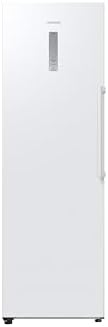
- Now you can get the best of both worlds with SpaceMax, thin walls mean more space for food storage on the inside, while …
- Help to reduce your energy use¹ with AI Energy mode², When activated, AI Energy Mode can automatically optimise the comp…
- Wouldn’t finding the ice cream be that bit easier with a frost free fridge freezer? Total No Frost prevents ice build-up…
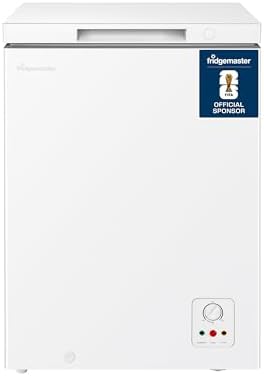
- Spacious 97L Capacity: Generous chest freezer storage with a 4-star rating, ideal for keeping large quantities of food f…
- Winter Guard Technology (-15°C) – Reliable operation in low temperatures, making it suitable for outbuildings and garage…
- 3 Hour Power Failure Safe Storage – Keeps food frozen for up to 13 hours in the event of a power cut, helping to protect…

- Compact 55cm Undercounter Freezer – Perfect space-saving solution for kitchens, utility rooms, or small flats, fitting n…
- 4 Large Transparent Drawers – Easy-access drawers allow you to organise frozen food efficiently, keep track of contents,…
- Energy Efficient – E Rated – Designed to save on electricity bills while reducing environmental impact, combining practi…
RELATED POSTS
View all

From Bedside Nurse to Leader: Skills You Need to Grow
December 3, 2025 | by Lucy Wang'endo

Essential Skills Every New Graduate Nurse Needs to Succeed in Their First Year
November 25, 2025 | by Lucy Wang'endo